Digital gaming has become one of the most dynamic forms of entertainment in the modern world. Over the years, advances in technology have transformed simple games into highly interactive experiences that connect millions of players globally. From improved graphics and faster internet connections to advanced artificial intelligence and immersive environments, the gaming industry continues to develop at an impressive pace. Understanding future trends can help players and enthusiasts see how digital gaming may continue to evolve.
As online gaming communities grow, many users look for information about different gaming topics, including resources related to toto macau and other digital entertainment trends. Staying informed about technological developments and changing player expectations allows users to better understand the direction of the industry. The future of gaming is expected to focus on accessibility, personalization, security, and deeper social connections.
The Growth of Cloud Gaming
Cloud gaming is expected to play a major role in the future of digital entertainment. Instead of depending entirely on powerful personal devices, players can access games through remote servers. This technology allows users to enjoy high-quality gaming experiences without constantly upgrading expensive hardware.
As internet speeds continue to improve, cloud-based gaming may become more accessible to a wider audience around the world.
Artificial Intelligence in Gaming
Artificial intelligence is changing the way games are created and experienced. Developers are using AI technology to create smarter game environments, more realistic characters, and personalized experiences based on player behavior.
Future games may adapt dynamically, adjusting difficulty levels and content according to individual preferences. This could make gameplay more engaging and unique for every user.
More Immersive Experiences
Virtual reality and augmented reality technologies are expected to create more immersive gaming environments. These innovations allow players to interact with digital worlds in more realistic ways, making games feel more engaging and interactive.
As hardware becomes more comfortable and affordable, immersive gaming may become available to a larger audience.
Mobile Gaming Continues to Expand
Mobile gaming has already become a major part of the digital gaming industry, and its popularity is expected to continue growing. Smartphones are becoming more powerful, allowing developers to create games with improved graphics and advanced features.
The convenience of playing anywhere makes mobile gaming attractive to both casual users and dedicated players. Future improvements in mobile technology will likely create even better experiences.
Stronger Social Connections
Gaming is becoming increasingly social. Modern platforms allow players to communicate, cooperate, and compete with others from different parts of the world. Future gaming experiences are expected to place even more focus on community features and interactive environments.
Social gaming can help create stronger connections between players while making entertainment more collaborative.
Improved Security and Fairness
As digital gaming expands, security will remain an important priority. Players expect platforms to protect their personal information and provide safe environments. Future gaming systems will likely include stronger security measures, better account protection, and improved tools for encouraging fair participation.
Trust and transparency will continue to influence how users choose and interact with gaming platforms.
Frequently Asked Question
What will make future gaming different from today's gaming experiences?
Future gaming is expected to offer more personalized, immersive, and accessible experiences. Technologies such as cloud gaming, artificial intelligence, virtual reality, and improved mobile systems will create new ways for players to interact with digital worlds while making games easier to access.
The Importance of Responsible Gaming
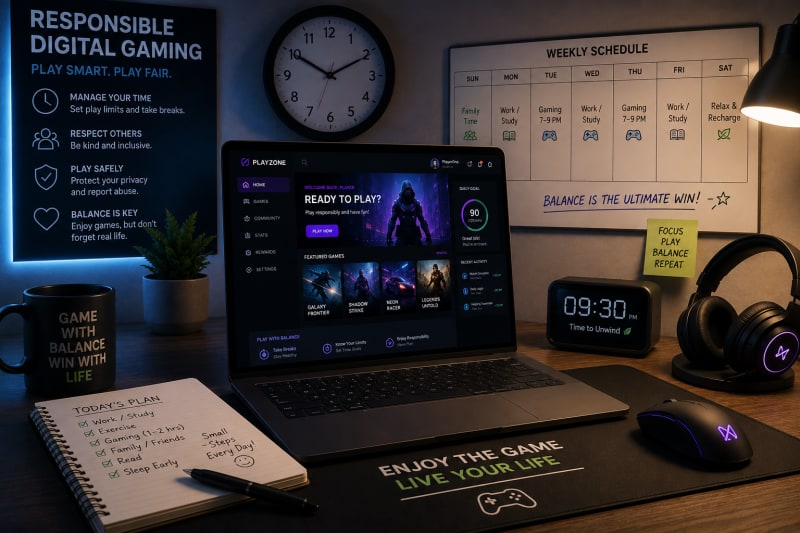
As gaming technology advances, responsible participation will remain essential. Players should maintain a healthy balance between digital entertainment and other daily activities. Modern platforms are increasingly introducing features that encourage users to manage their time and maintain positive gaming habits.
Conclusion
The future of digital gaming is filled with exciting possibilities. Cloud technology, artificial intelligence, immersive experiences, mobile improvements, and stronger social features are shaping the next generation of entertainment. As the industry continues to evolve, players can expect more personalized and engaging experiences designed around convenience and interaction. By embracing innovation while maintaining responsible habits, digital gaming can continue to grow as a creative, connected, and enjoyable form of entertainment.